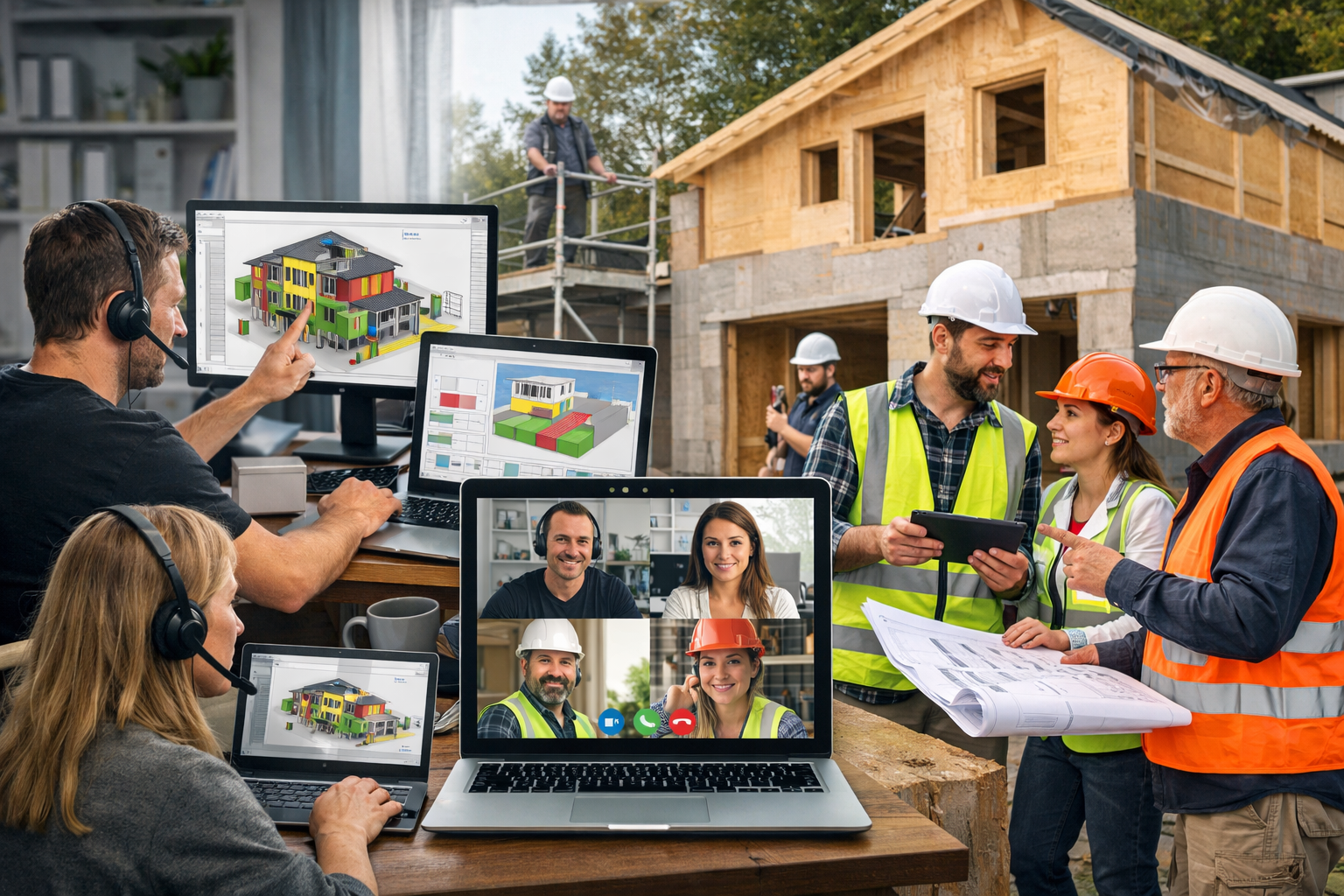
The precision of construction demands that there be some level of accuracy because a one-millimetre crack in the airtightness layer will nullify an entire energy certificate. Passive House projects are usually plagued by remoteness between the computer energy models made in the offices and the on-site physical work.
To provide the integrity of the thermal envelope, it is important to have a workflow that fills this gap. The old method of construction that is known as Waterfall usually fails when the site conditions are not predicted, and the design needs to be altered urgently. A Hybrid Agile model can enable the teams to have a structured planning process and accept the flexibility of iterations.
The Hybrid Model
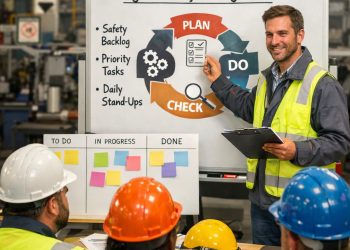
Hybrid Agile is a blend of the predictability in the long term of the traditional project management approach with the alert feedbacks of the software development cycle. Within the Passive House context, the milestones and final certification dates of the entire project are fixed on a linear timeline.
The technical detailing and site coordination, however, are done in short and repeated cycles called sprouts. This organization enables the team to respond to impairments or technical issues in the supply chain. Periodic (so-called stand-up) conferences between the remote modeling team and the site supervisor will allow checking against the energy balance for every change made on the site.
Remote Coordination
Remote energy modelers supply the analytical base of the project, yet most energy modelers do not have a view of what is happening in the sites on a daily basis. These specialists can access site photos and sensor data in real time with the help of the digital twin technology and cloud-based document management systems.
Investing in PHPP training provides both the remote modelers and the site supervisors with a shared understanding of how material changes impact the final heat demand. When the team of the site is aware of the sensitivity of the energy model, then they are likely to identify the possible issues before they become permanent.
Site Integration
The site integration involves translation of complicated energy data in terms of construction activities. On-site teams need the ability to make suggestions of workable changes to challenging details, including convoluted window reveals or service intrusions.
Technical Sprints
The technical sprints are based on the repetitive high-risk areas of the building envelope:
- Detail refinement: Modeling and testing of thermal bridge-free connections in the digital realm.
- Component testing: Testing the performance of new airtightness tapes or membranes on a small-scale mockup.
- Model validation: Refinement of the energy model on the precise specifications of the delivered materials.
These brief sessions of concentrated work enable these teams to fix complicated junctions before the main construction team reaches that point:
Conflict Resolution
Quick conflict detection does not allow technical defects to be covered with dry-lined walls or external coating. When an element of a project structure disrupts a planned ventilation duct, a remotely-sited modeler intersects with a site team using a so-called sprint to remodel the intersection.
This direct cooperation is necessary to make sure the new solution does not establish a thermal bridge or break the airtightness layer. The solution of these issues in real time keeps the certification schedule and avoids the high cost that is caused by remedial works in the late stages.
Communication Channels
Another strategy that should be implemented is creating special digital communication channels where technical questions are addressed by the appropriate specialist in a timely manner. One of the features of cloud-based platforms is the possibility of site workers uploading 3D scans of junctions to be immediately checked by the modeling team. Keeping a very clear record of such communications gives an audit trail to the final certification process:
- Slack or Teams integration: Establishing special threads on airtightness, insulation, and mechanical services.
- Shared digital whiteboards: Visual tools to correct photos of websites with red lines.
- Version-controlled documents: Making sure that all the parties are using the latest PHPP data and architectural specifications.
Financial Stability
Hybrid Agile enhances the financial forecastability of Passive House projects by establishing the possible cost overruns in the design iterations. Technical disagreements are identified early enough before the costly emergency solutions, which often come during the last weeks of a build.
The clients enjoy a higher level of transparency and more updates on progress during the construction phase. It is possible to show that the project is achieving its energy targets in real time, and this will build trust and lessen the anxiety of the stakeholders.
Final Alignment
The efficient implementation of the Passive House project is determined by the harmonic coordination of digital modeling and manual craftsmanship. Hybrid Agile offers the required framework to balance this in a more and more complex construction environment. Through the creation of a culture of continuous improvement, companies will always be able to attain the highest level of energy efficiency.