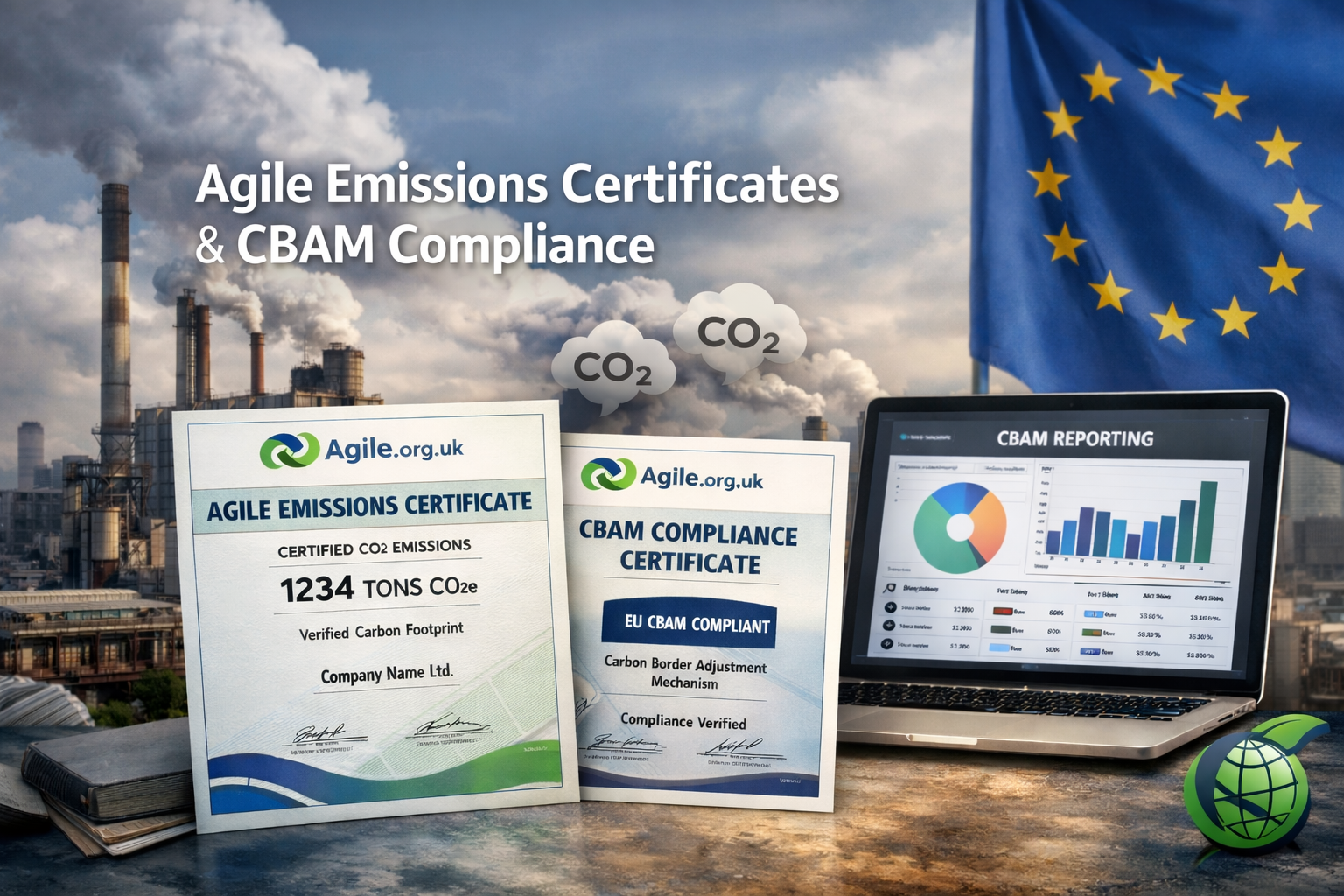
New carbon pricing rules are reshaping UK–EU trade. The Carbon Border Adjustment Mechanism introduces additional requirements for importers, including emissions tracking and certificate management. Teams must establish clear processes for collecting accurate data and meeting reporting deadlines. For organisations using agile methods, this means strengthening supply chain records and ensuring relevant data reaches decision-makers without delay.
The EU CBAM main phase begins in 2026. The UK plans its own version in 2027. Each system has distinct timelines and technical requirements. Businesses must identify who declares goods, how embedded emissions are calculated, and which product categories fall within scope. The EU scheme initially covers cement, iron and steel, aluminium, fertilisers, electricity and hydrogen, with further expansion expected.
Managing these developments requires adaptable systems. Agile teams that rely on iterative planning and cross-functional collaboration are better placed to respond to evolving regulatory expectations while maintaining operational stability.
Why Cross-Border Trade Demands Agile Adaptation in 2025
Since Brexit, UK–EU trade has involved additional documentation and compliance checks. CBAM introduces emissions reporting into that framework, increasing administrative complexity for importers.
The Omnibus package introduced in late 2025 applies a single 50-tonne threshold and adjusts reporting requirements during the transition phase. From January 2026, annual reporting replaces quarterly submissions. These updates demonstrate how quickly regulatory conditions can change.
Rigid compliance structures struggle when guidance shifts close to implementation dates. Agile approaches allow teams to divide compliance tasks into smaller stages and adapt quickly when requirements change.
Agile methods provide a structured way to manage emissions certificates and CBAM compliance in the context of UK–EU freight operations and evolving carbon reporting rules. By aligning internal workflows with current regulatory frameworks affecting UK importers to the EU, teams can organise reporting tasks accurately and maintain consistency across cross-border submissions. Breaking these obligations into manageable stages supports updates without disrupting wider operations.
Four Agile Practices for CBAM Compliance Readiness
CBAM preparation begins with structured data collection. A UK metals importer used two-week sprint cycles focused on high-emission steel products. Each sprint addressed one product category and resolved supplier data gaps before progressing.
Within several cycles, the team gathered complete emissions information and corrected inconsistencies without overwhelming staff. A phased compliance process supports both transition requirements and long-term readiness.
Draft UK guidance reflects staged implementation under the EU Carbon Border Adjustment Mechanism, and agile methods complement this structure by enabling teams to test processes early and refine them before full enforcement.
Cross-functional collaboration strengthens outcomes. Customs specialists, sustainability professionals and IT teams translate carbon accounting requirements into practical workflows. Shared ownership reduces miscommunication and improves coordination.
The Emissions Data Backlog
A prioritised emissions data backlog provides clarity and supports alignment with the EU Carbon Border Adjustment Mechanism trade implications for UK importers. Many organisations begin with high-risk categories such as steel and cement, where carbon exposure and reporting scrutiny are higher. Early focus on these products strengthens data accuracy and supports timely submissions under CBAM requirements.
One UK engineering firm created a visual project board for CBAM tasks. Each product category included supplier verification and reporting review. Deadlines remained visible to all team members.
As supplier data arrived, the board updated accordingly. Overdue items were flagged and managers reassigned tasks where required. This structured approach reduced the risk of missed EU submission deadlines and improved coordination across compliance, procurement and IT teams.
Daily Stand-ups for Regulatory Changes
Fifteen-minute daily meetings help teams monitor CBAM and trade compliance progress. Members share completed tasks, current priorities and obstacles. Short feedback loops surface risks early and limit reporting delays. These brief sessions keep cross-functional teams aligned on emissions reporting timelines and documentation updates.
Maintaining a regulatory change log supports alignment with developments set out in the UK draft CBAM regulations, ensuring internal processes reflect current consultation proposals.
Updates from EU or UK authorities are recorded alongside agreed internal actions and responsible team members. This creates a clear audit trail and ensures that regulatory amendments are translated into operational steps without delay.
Regular review of the log during stand-ups reinforces accountability. Teams can confirm which guidance has been implemented, identify gaps and adjust workflows where required. Clear ownership ensures new requirements are applied consistently across departments and reflected in documentation practices.
Building a Cross-Border Trade API Strategy
Digital systems improve responsiveness. Customs authorities increasingly support online reporting and CBAM portals. Importers benefit from aligning internal systems with the Customs Declaration Service, ensuring electronic submissions remain accurate and consistent as regulatory frameworks evolve.
Feature flags allow systems to switch between UK and EU compliance rules depending on shipment destination. This design reduces disruption when regulatory requirements change.
Developing modular services for emissions calculation, certificate management and customs documentation increases flexibility. Teams update specific components without altering the entire system.
Continuous Integration for Trade Documentation
Automated testing ensures documentation remains aligned with the World Customs Organization Data Model, supporting structured data exchange and reducing inconsistencies across product categories. When rules change, automated checks identify affected processes promptly, allowing teams to respond before submission deadlines are missed.
Version control for regulatory interpretations maintains consistency across departments. Teams record how guidance develops, document internal decisions and update templates in line with revised expectations. This structured tracking reduces the risk of inconsistent reporting across product categories or shipment routes.
Deployment pipelines enable controlled implementation of updated compliance workflows. Changes are tested in staging environments before release, ensuring documentation systems reflect the latest requirements without interrupting day-to-day operations.
Supplier Collaboration Through Agile Frameworks
Applying sprint planning to supplier engagement creates structure and accountability. Teams define which supplier data to collect, set realistic timeframes and assign clear responsibilities for follow-up.
Shared project boards with suppliers increase transparency across the supply chain. Both parties can monitor approaching deadlines, outstanding documentation and verification status. Early clarification reduces the risk of incomplete emissions data at the point of declaration, particularly where supplier reporting aligns with the GHG Protocol Scope 3 Standard.
Regular review sessions after each sprint help teams refine communication methods and address recurring gaps in supplier submissions. This iterative approach strengthens data accuracy and supports more reliable cross-border compliance over time.
The Supplier Data Sprint
Time-boxed supplier data sprints sustain progress. Two-week cycles focused on specific supplier groups prevent overload and improve follow-through.
Prioritisation should reflect shipment volume and compliance exposure. High-volume suppliers of CBAM-covered goods represent greater risk and require early attention.
Tracking tools monitor completeness and data quality. Structured platforms highlight missing information and support targeted follow-up.
As UK importers adapt to evolving CBAM requirements, structured and responsive systems are no longer optional. Agile methods allow teams to manage emissions reporting, supplier coordination and digital compliance workflows with greater control and visibility. Organisations that treat regulatory change as an ongoing process rather than a one-off adjustment are better positioned to protect trade continuity and reduce operational risk. In a shifting carbon reporting landscape, disciplined adaptability supports long-term stability.