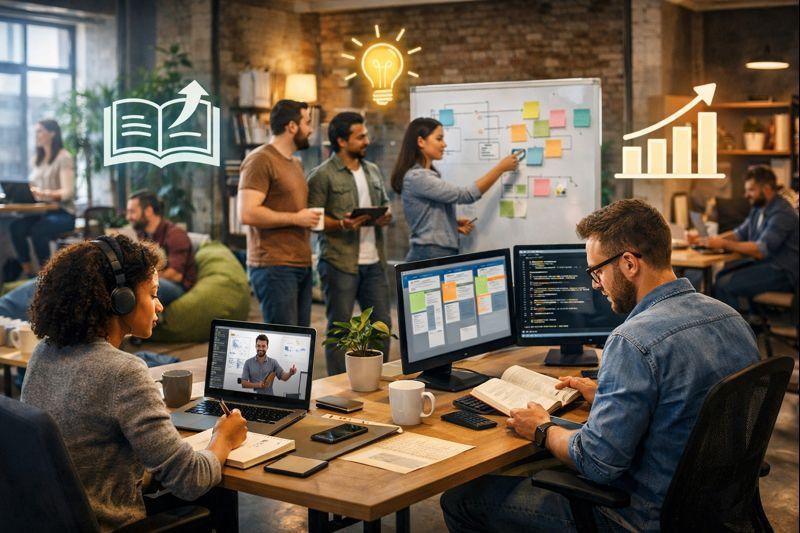
There was a time when earning a degree marked the end of formal learning. That assumption no longer holds. Work evolves faster than job titles, and skills shift as tools, markets, and expectations change. Professional growth now depends less on a single credential and more on how consistently people learn, adapt, and apply new knowledge.
Continuous learning has become a defining trait of resilient careers. It supports adaptation, strengthens judgment, and helps professionals stay effective in changing environments.
Why Traditional Measures of Career Growth Fall Short
Years of experience and static qualifications once served as reliable indicators of expertise. Today, they tell only part of the story. Roles evolve too quickly for skills to remain fixed.
Technology, automation, and new ways of working shorten the lifespan of many competencies. Without regular learning, even experienced professionals risk falling behind. The issue is not whether someone earned a degree, but whether they continue learning after earning it.
Agility Over Tenure in Modern Career Paths
Organizations increasingly value adaptability. Professionals who demonstrate recent learning, whether through structured programs, applied projects, or role-based development, tend to move forward faster than those relying on past achievements alone.
This shift does not replace formal education. It reframes it. Degrees now function best as foundations that support continued growth, especially when paired with real-world application.
The Skills-Based Economy and Structured Learning
The rise of skills-based hiring has changed how expertise is evaluated. Portfolios, applied projects, and ongoing education carry more weight than static credentials alone.
This environment has also expanded the role of online learning. Many professionals now pursue education through online universities that offer flexibility, modular coursework, and direct alignment with work responsibilities. Programs such as a master’s in business, an MS in Marketing, or education-focused degrees fit naturally into careers that demand constant iteration.
Continuous Learning as a Core Professional Capability
Continuous learning is not limited to courses or certifications. It is a habit built through multiple channels.
This includes:
- Formal education through online universities
- Mentorship and peer collaboration
- Applied learning through projects
- Reflection on outcomes and feedback
For professionals in fields such as school counseling or those pursuing a master’s in counseling, continuous learning is essential. Practices evolve, ethical standards change, and supervision plays an ongoing role in professional development. Learning does not stop at graduation.
Learning Velocity and Applied Growth
Rather than tracking learning by attendance or hours logged, many teams now focus on application. How quickly can new knowledge be used? How effectively does it improve outcomes?
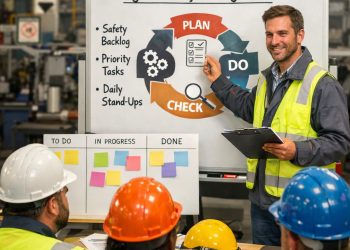
This approach aligns with Agile principles. Learning becomes iterative, practical, and tied to results rather than credentials alone.
Integrating Learning Into Daily Work
Sustained learning works best when it fits naturally into daily routines. Short learning sessions, targeted resources, and immediate application support consistency without overload.
Microlearning, just-in-time resources, and focused skill development help professionals stay current while balancing responsibilities. This approach works well across industries, from business and marketing to education and counseling.
Feedback Loops and Reflection
Learning sticks when followed by use and reflection. Teaching a concept to a colleague, testing a new approach, or reviewing outcomes helps convert information into skill.
These feedback loops reinforce growth and align closely with Agile ways of working.
The Role of Organizations in Supporting Growth
Organizations play a critical role in sustaining continuous learning. When leaders model curiosity and allocate time for development, learning becomes part of the culture rather than an extra task.
Investment in learning platforms, mentorship programs, and shared knowledge systems supports adaptability across teams.
Building a Culture of Ongoing Development
Shared repositories, peer learning, and structured mentorship reduce friction and accelerate problem-solving. These systems support professionals at all stages, from early-career learners to those pursuing advanced education through online universities.
Continuous Learning as Career Infrastructure
Professional growth now depends on learning as an ongoing process. Degrees—including master’s programs and counseling-focused education—remain valuable when treated as part of a larger learning journey rather than a final destination.
Careers advance through curiosity, reflection, and consistent skill development. Those who approach learning as a permanent practice position themselves to adapt, contribute, and lead in changing environments. This requires alignment with work responsibilities; programs such as a Master’s in Business, an MS in Marketing, or education-focused degrees fit naturally into careers that demand constant iteration.
Continuous Learning as a Core Professional Capability
Continuous learning is not limited to courses or certifications. It is a habit built through multiple channels, including:
- Formal education: Utilizing online universities for structured degrees.
- Mentorship: Engaging in peer collaboration and expert guidance.
- Applied learning: Testing knowledge through hands-on projects.
- Reflection: Evaluating outcomes and incorporating feedback.
For professionals in fields such as school counseling, continuous learning is essential. Practices evolve, ethical standards change, and supervision plays an ongoing role in professional development. In these fields, learning does not stop at graduation.
Learning Velocity and Applied Growth
Rather than tracking learning by attendance or hours logged, many teams now focus on application. Modern professional development asks:
- How quickly can new knowledge be used?
- How effectively does it improve outcomes?
This approach aligns with Agile principles, where learning becomes iterative, practical, and tied to results rather than credentials alone.
Integrating Learning Into Daily Work
Sustained learning works best when it fits naturally into daily routines. Short learning sessions and targeted resources support consistency without burnout. Key strategies include:
- Microlearning: Consuming small, digestible units of information.
- Just-in-time resources: Accessing information exactly when it is needed for a task.
- Focused skill development: Targeting specific gaps that hinder immediate performance.
Note: This approach works well across industries, from business and marketing to education and counseling.
Feedback Loops and Reflection
Learning “sticks” when followed by use and reflection. Teaching a concept to a colleague, testing a new approach, or reviewing outcomes helps convert information into a permanent skill. These feedback loops reinforce growth and align closely with Agile ways of working.
The Role of Organizations in Supporting Growth
Organizations play a critical role in sustaining continuous learning. When leaders model curiosity and allocate time for development, learning becomes part of the culture rather than an “extra” task.
Building a Culture of Ongoing Development
To reduce friction and accelerate problem-solving, organizations should invest in:
- Shared repositories for collective knowledge.
- Peer learning circles.
- Structured mentorship programs.
These systems support professionals at all stages, from early-career learners to those pursuing advanced education through online universities.