
Workplace safety has traditionally been managed through rigid policies, periodic audits, and reactive fixes after incidents occur. While this approach meets compliance requirements, it often fails to adapt quickly to changing environments, new risks, or employee feedback.
This is where Agile principles offer a powerful alternative.
Agile, widely known for transforming software development, is fundamentally about adaptability, collaboration, and continuous improvement. When applied to workplace safety management, it enables organisations to move from static safety systems to dynamic, responsive ones that evolve alongside real-world conditions.
At its core, Agile encourages teams to break down large goals into smaller, manageable improvements. Instead of overhauling an entire safety system at once, organisations can introduce incremental changes—testing, learning, and refining as they go. For example, rather than conducting a once-a-year PPE review, teams can continuously assess equipment effectiveness, including essentials like PPE safety footwear, ensuring it remains suitable for current working conditions.
This iterative approach reduces the risk of outdated safety practices and ensures that employee feedback is consistently incorporated. Workers on the ground are often the first to notice issues—such as discomfort, wear and tear, or inadequate protection from their footwear. Agile frameworks create regular opportunities, such as stand-ups or retrospectives, where these insights can be shared and acted upon quickly.
Why Agile Works for Workplace Safety
1. Continuous Improvement Over Static Policies
Traditional safety systems tend to be reactive. Agile flips this by embedding continuous improvement into everyday operations. Small adjustments—like upgrading PPE safety footwear based on employee feedback—can significantly reduce injury risks over time.
2. Faster Response to Emerging Risks
Work environments change constantly. Agile allows teams to respond in real time, addressing hazards before they escalate. Whether it’s new machinery, changing weather conditions, or increased workload, safety measures can evolve accordingly.
3. Greater Employee Engagement
Agile empowers employees to take an active role in safety. When workers feel heard, they are more likely to report risks and suggest improvements. This can lead to practical enhancements, such as selecting more appropriate PPE safety footwear for specific tasks.
Practical Ways to Apply Agile to Safety Management
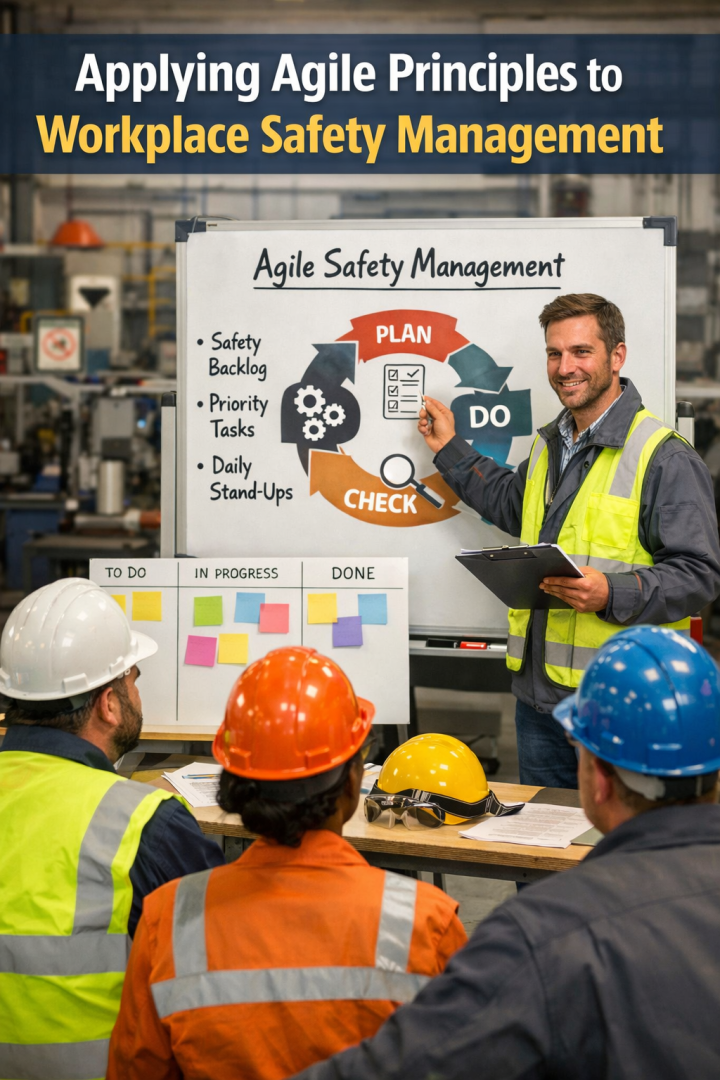
Use Safety Backlogs
Create a backlog of safety improvements, prioritised by risk level. Items might include:
- Replacing worn PPE
- Reviewing site hazards
- Trialling new PPE safety footwear
Run Regular Safety Stand-Ups
Short, daily or weekly meetings allow teams to quickly highlight issues and track progress on safety improvements.
Conduct Retrospectives
After incidents—or even near misses—teams should review what happened and identify actionable improvements. Often, small details like inadequate footwear can surface as contributing factors.
Building a Safer, More Adaptive Workplace
Applying Agile principles to workplace safety isn’t about replacing compliance—it’s about enhancing it. By adopting a mindset of continuous improvement, organisations can create safer environments that evolve with their workforce.
Instead of waiting for problems to occur, Agile-driven safety management encourages teams to anticipate, adapt, and improve continuously.
And sometimes, it’s the smallest changes..